
Actuation Types for Test Fixtures at Forwessun
Introduction to Actuation Types: In the field of electronic testing, the actuation of test probes against a unit under test (UUT) is a critical process. This ensures that each probe makes the necessary contact to deliver accurate test results. At Forwessun, we offer a variety of actuation methods to suit different testing needs and environments. The primary systems include Vacuum, Pneumatic, and Mechanical actuation. Each method has its unique advantages and is suited to specific applications.
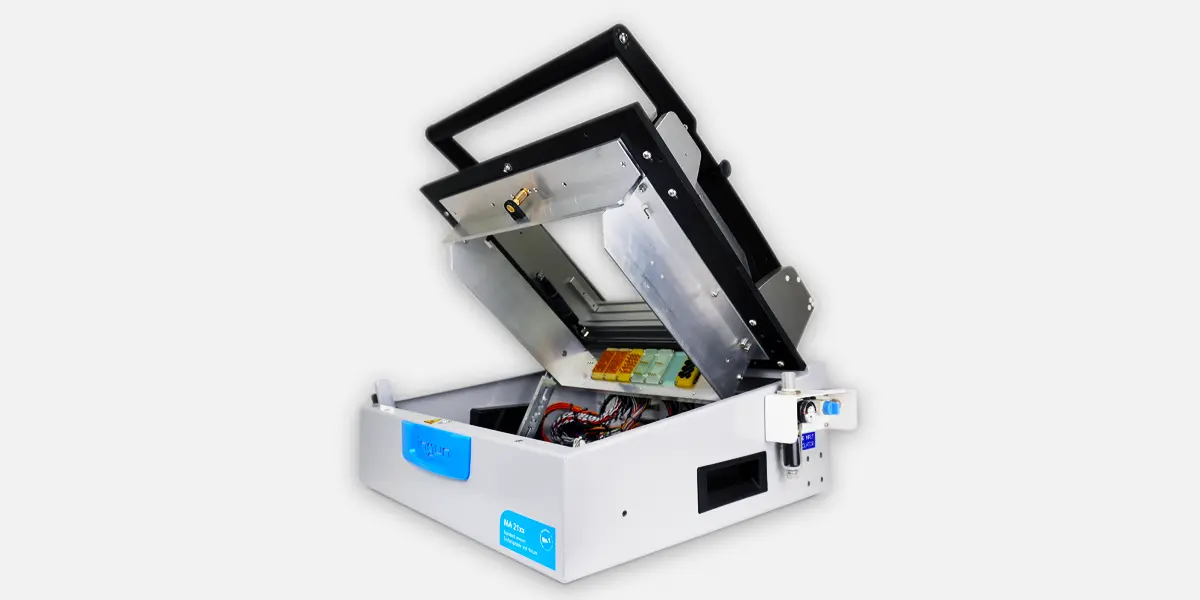
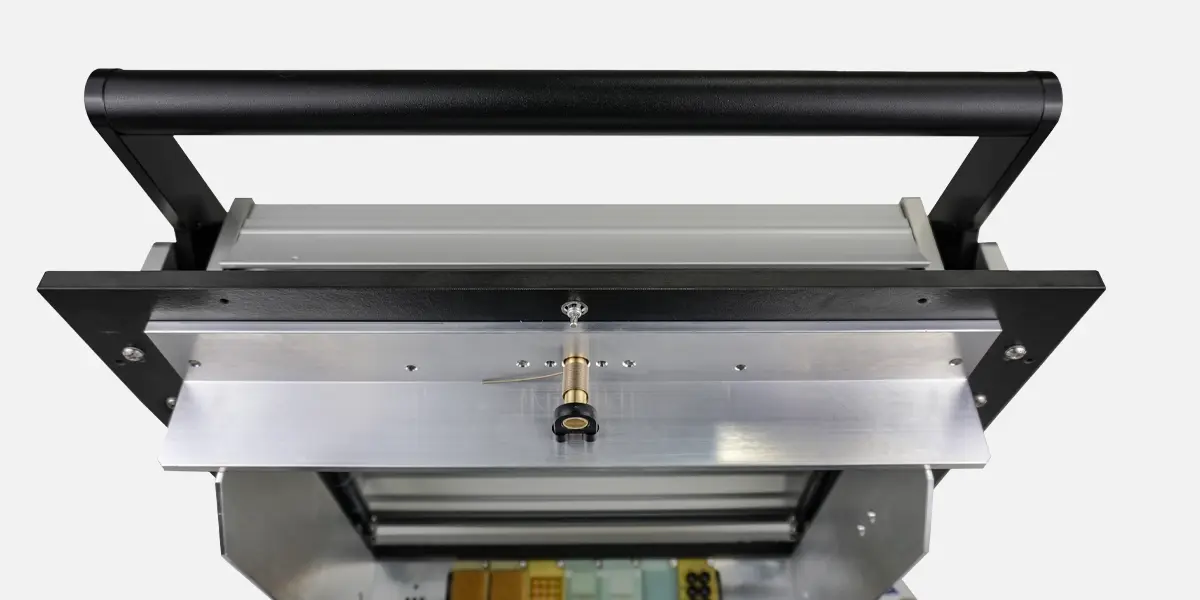
Vacuum Actuation
Vacuum actuation uses an external pump to remove air from inside the test fixture, creating a pressure level below atmospheric. The higher external pressure then compresses the fixture, firmly pressing the UUT onto the spring‑loaded test probes. This approach is ideal for high‑density applications where consistent, evenly distributed pressure is critical.
Key Advantages:
- Even Pressure Distribution: Vacuum actuation ensures uniform pressure across the UUT, which is critical for high-precision testing.
- Cost-effective over many units: By adopting vacuum actuation across your production line, the upfront cost of a vacuum pump is quickly offset by the reduced expense of individual test fixtures, delivering a fast and measurable return on investment.
Pneumatic Actuation
How It Works: Pneumatic actuation uses compressed air to drive cylinders within the test fixture. When activated, these cylinders apply controlled pressure, pressing the UUT firmly onto the spring‑loaded test probes. It’s a durable, versatile method suitable for a wide range of testing applications.
Key Advantages:
- High Force Application: Pneumatic systems can apply significant force, making them ideal for larger or more robust UUTs that require a firmer contact.
- Versatility: Pneumatic actuation is versatile and can be adjusted to accommodate different levels of force, depending on the testing requirements.
- Controlled actuation: Due to the exact movement of pneumatic cylinders, the actuation is precisely controlled, resulting in the continuously reliable travel of spring-loaded test probes against a unit under test.
Mechanical Actuation
How It Works: Mechanical actuation utilises a CAM-like mechanism to apply pressure onto the UUT. As the mechanism rotates or shifts, it exerts force on the UUT, pressing it against the spring-loaded test probes. This method is straightforward and reliable, often used in scenarios where simplicity and durability are key.
Key Advantages:
- Simplicity: Mechanical actuation is simple, with fewer moving parts, making it less prone to failure and easier to maintain.
- Cost-Effective as a standalone: It is often a more cost-effective solution for many testing environments due to its mechanical nature.
Summary
Forwessun offers multiple actuation methods for testing fixtures, each tailored to specific testing needs. Vacuum actuation provides even pressure distribution for delicate components, pneumatic actuation offers high force for robust testing scenarios, and mechanical actuation delivers simplicity and reliability. By choosing the appropriate actuation type, our customers can ensure precise and accurate testing results for their specific environments.
Test Fixture Gallery
Visit our test fixture project gallery to explore the full range of actuation methods we offer. From vacuum and pneumatic systems to advanced mechanical solutions, the gallery provides real examples that help you understand how each approach supports reliable, repeatable PCB testing across different production needs.